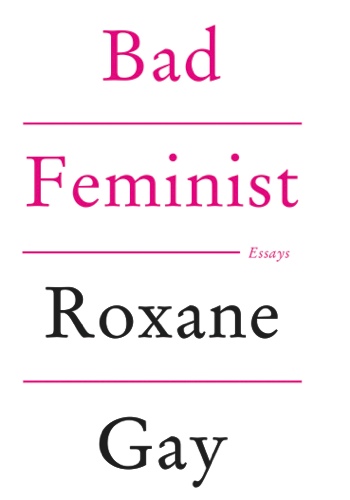
I know some people might avoid reading this post just based on the title of the book, and I’ll admit, I’ve kept pushing the book further down my wish list over the past few months. If nothing else, the title made me a little anxious to read it at all, knowing that I’d be posting about it. I’m not sure exactly what compelled me to read it now, but one less book on the wish list is success enough for me.
To tackle the obvious: it’s not hard for me to buy into feminism in the way it’s described by Aziz Ansari, or Amy Poehler, or Emma Watson, or- of course- Beyonce. I think that probably makes me a reluctant feminist, but bad is a little extreme. I’m not into the stigma associated with the word, which- as Aziz alludes to- is maybe the largest part of the problem. In fact, I was called out for clapping the affirmative about being a feminist when Aziz did the same bit at his show earlier this year…until he launched into that definition, at which point it was clear that everyone should be a feminist. (I am aware I am using the only male example listed above to make my point here.)
The question is then less about understanding the definition, but getting everyone on board with the same idea of what feminism is, as in: it doesn’t (necessarily) mean man-hating, bra-burning women who eschew fashion and makeup, but instead, people who believe that men and women deserve equal rights and opportunities.
Regarding the book, I don’t buy into everything she says- I actually found myself agreeing with less things than more as I read. Maybe I’m a little harder to offend, or I’m desensitized, or I don’t know what. I know (and the author would likely remind me) that there are a lot of reasons I won’t understand her perspective, but I do think there is such a thing as expecting too much of works of fiction, even historical fiction. Just because these books and movies aren’t a 100% depiction of exactly what happened or don’t articulate every possible perspective doesn’t mean they aren’t worthwhile ventures- not every form of entertainment can be everything (or anything) to everyone.
This was one of my less great choices- I wouldn’t go so far as to say bad, because if nothing else, I got a bunch of good book recommendations out of it, but I found myself desperately looking for the end of the book as it went on. I get why some people might respond well to it, but I also get why people wouldn’t like it at all. I’m certainly closer to one side than the other.
You’ll like this if: you like other feminist essays, or essays that address feminism and race at the same time with little regard for niceties? It’s not a lot like anything else I’ve read, for better or worse.
Happy reading!
 carlyreads