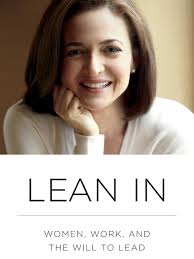
 I’m late to this game but I admittedly haven’t felt super compelled to read Lean In, even if the greatest fake proposal of all time involved a copy of the book (looking at you, KJ). Lately, though, I’ve noticed that a lot of the conversations around women in the workplace are still largely apologetic, and that bothered me. I wanted to understand what it meant to lean in, and maybe get a sense of what others seemed to know that I didn’t.
I have never really felt limited by being female. Maybe that’s a narrow perspective, but I have not spent a lot of my professional life dwelling on my gender. I suppose that if I really wanted to unpack it, maybe there’s an inherent underdog thing going on that means I’ve subconsciously overcompensated for a long time, but I don’t think that’s really it.
What I do think is this: I don’t worry about being a woman or being young because I make it a point to know what I’m talking about and I’m not afraid to speak my mind. Being taken seriously is a result of an appreciation of a certain level of mastery, pride in my work and above all, getting things done well and efficiently. I wear bows in my hair and a lot of pink and I can speak fluent celebrity gossip, but I’ve never compromised my intelligence because of it. I’ve had some really cool female role models. My sister skated circles around the boys when she played with them; my maternal grandmother didn’t settle in her job; Jackie Kennedy was equally great at being a glamorous wife and a strong professional and helped to redefine the role of First Lady for future generations. I’m thick skinned and I’m not intimidated by being called bossy- especially if you really just mean strong willed.
I was warned by many that I’d love some parts and hate some parts and while that can be said about a lot of books, I get why that’s so notable here. More than anything, Sheryl Sandberg being able to handle criticism in stride is a true reflection of her power. I think we all get it- women should feel empowered generally to succeed, but there are some women who aren’t good employees. (And that’s okay- no one’s insisting that a woman is always right for the job by virtue of the fact that she’s a woman, least of all Sandberg herself.) There are some pieces that are for sure frustrating, or feel a bit antiquated, but again, that’s representative of a lot of the conversation about women in leadership/the workforce in general. Whether or not you enjoy the book and the calls to action, the topic is important.
Overall, I liked the book. You might like the book too. It’s hard to read parts of it in which Sandberg refers to her husband, who died quite suddenly earlier this year- they seem to have had a very genuine partnership on professional, personal and parenting levels. But even in the face of tragedy and loss, she has been an example of both grace and honesty, sharing glimpses of the difficulties she’s faced. For someone who is so open about both her triumphs and tribulations, it’s hard to anticipate anything else.
You’ll like this if: well, it kind of depends how you feel about the topic in general. Let’s put it this way- you definitely won’t like it if you don’t think women should be empowered in the workforce and their personal lives. Otherwise, you’ll probably find something valuable in here.
Happy reading!
 carlyreads